
How Japanese winemaker Shunsei Ishikubo is translating California’s landscape into world-class wine
The world’s greatest wines are often described in terms of power, elegance, or prestige. Shunsei Ishikubo prefers another word ” Place”. Not the name printed on a label, nor the reputation of a winery, but the subtle character hidden beneath every vineyard—the limestone below the vines, the cool air drifting in from the Pacific, the patience of growers who have spent decades caring for the same rows of grapes. Those quiet elements, he believes, shape a wine long before a bottle is ever opened.
It is this philosophy that led Ishikubo, together with veteran California winemaker Eric Baugher, to establish Green Hill Wine Services LLC, and eventually create their own label, Deaurātus. Their ambition is refreshingly modest. Not to make louder wines. Not to make expensive wines simply because they can. Instead, to make wines that faithfully express where they come from.
Learning From One of California’s Icons
For more than thirteen years, Ishikubo worked at Ridge Vineyards, one of California’s most respected wineries. Few names carry greater significance in American wine history. When the famous Judgment of Paris challenged French and Californian wines in blind tasting, Ridge’s Monte Bello would later emerge as one of California’s defining Cabernet Sauvignons, helping reshape the world’s perception of American wine.
Working within Ridge’s philosophy meant learning restraint. Technology was never allowed to dominate the vineyard. The vineyard itself always came first. Those lessons remained with Ishikubo long after he left the winery in 2021. His next challenge—a new winery project in Napa Valley—appeared promising before the pandemic, supply chain disruptions, wildfires, and eventually the collapse of Silicon Valley Bank forced the project to an unexpected end.
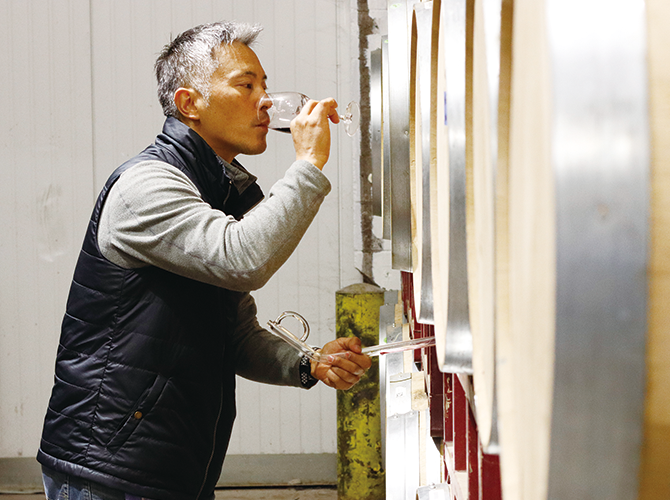
Many might have considered retirement. Instead, Ishikubo saw opportunity. Alongside longtime friend Eric Baugher—former Chief Operating Officer and winemaker at Ridge—they launched Green Hill Wine Services in early 2023. Between them, they brought more than half a century of winemaking experience.
Building a Winery Without Owning One
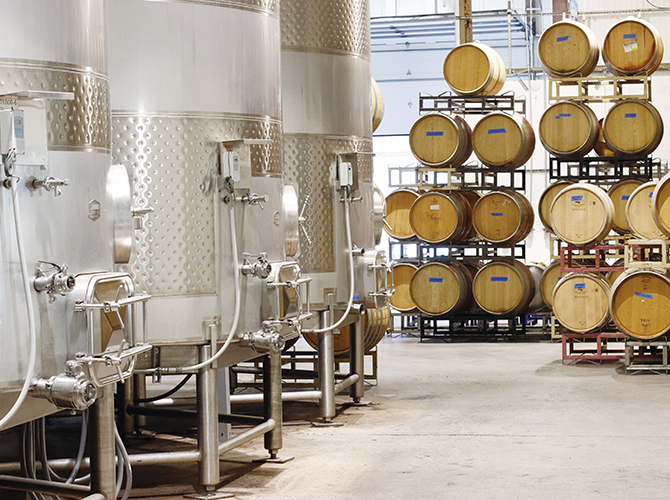
Most new wine brands begin by acquiring vineyards and constructing wineries. Green Hill deliberately chose another model. Rather than investing in buildings, they invest in relationships. The company partners with existing wineries while sourcing fruit directly from exceptional growers across California. The decision allows Ishikubo and Baugher to concentrate on what they believe matters most: selecting remarkable vineyards and allowing each site to speak for itself.
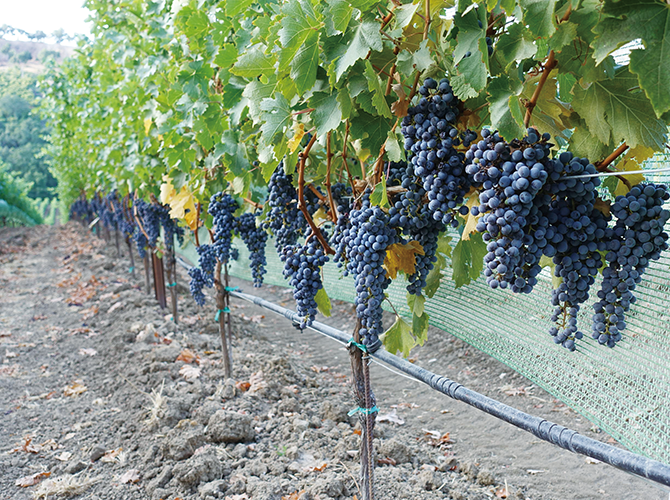
Again and again, their search leads them toward limestone. Limestone soils have shaped some of the world’s most celebrated wine regions, including Burgundy and parts of California’s Central Coast. Such soils naturally limit vine vigor, encouraging concentration, structure, mineral precision, and wines capable of aging gracefully for decades. Yet soil alone is never enough. The vineyard must also be cared for by growers willing to sacrifice short-term yields for long-term quality. Only then can the vineyard fully reveal its character.
A Childhood Fascination With Invisible Life
Wine was never Ishikubo’s first dream. As a boy growing up in Japan, he wanted to become an entomologist. That changed after learning how microscopic yeast transformed simple ingredients into the shochu his father enjoyed. The invisible world fascinated him. While many teenagers were deciding on careers, Ishikubo was already studying fermentation. He entered Yatsushiro National College of Technology to specialize in biotechnology before joining Nishi Shuzo in Kagoshima, producer of the acclaimed shochu Tomino Hozan. There, fermentation became more than science. It became craftsmanship.
Inspired by brewery president Yoichiro Nishi, Ishikubo crossed the Pacific to study Viticulture and Enology at the University of California, Davis—widely regarded as one of the world’s leading institutions for wine science. His professional journey would eventually include sake, beer, distilled spirits, commercial wineries, and finally Ridge Vineyards. Few winemakers have experienced fermentation through so many different cultural traditions.
Wine as Collaboration
Although wine occupies much of his life today, Ishikubo rarely speaks of wine in isolation. He speaks instead about fermentation. Yeast. Culture. People. He imagines bringing together French winemakers, Japanese sake brewers, South African vintners, Argentine producers, and Japanese shochu makers—not to compare traditions, but to learn from one another. Different beverages. The same curiosity. For Ishikubo, innovation rarely comes from working alone. It comes from conversations that cross borders.
Introducing Deaurātus
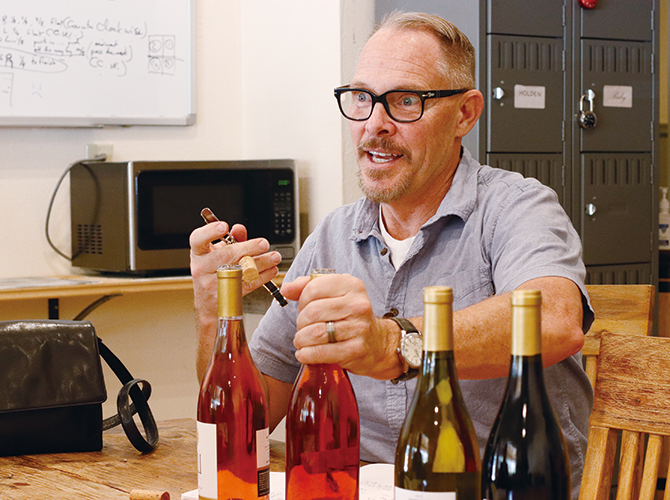
The label they created carries the name Deaurātus, inspired by the Latin word associated with gold. The name reflects more than craftsmanship. It symbolizes decades of accumulated experience shared between two veteran winemakers who believe great wine begins long before harvest. Perhaps the most distinctive element appears not inside the bottle but on its label. Each wine features artwork honoring the vineyard owner responsible for growing the grapes.
It is a quiet gesture of gratitude—one that reflects Green Hill’s belief that exceptional wines are created not only in the cellar but also through years of careful farming. The inaugural collection consists of four single-vineyard wines, each expressing a distinctly different corner of California.
A Grenache Blanc from the limestone-rich Michael Michaud Vineyard in Chalone. A cool-climate Chardonnay from Gali Vineyard near the Pacific coast beneath the Santa Cruz fog line. A dry-farmed Zinfandel from Tzabaco Vineyard in Sonoma’s celebrated Dry Creek Valley. And a Cabernet Sauvignon from Jilian Rose Vineyard in the limestone soils of Paso Robles’ Adelaida District. Each wine is produced in remarkably small quantities, measured not in thousands of cases but in only a few hundred. The scale reflects intention rather than limitation.
Listening to the Vineyard
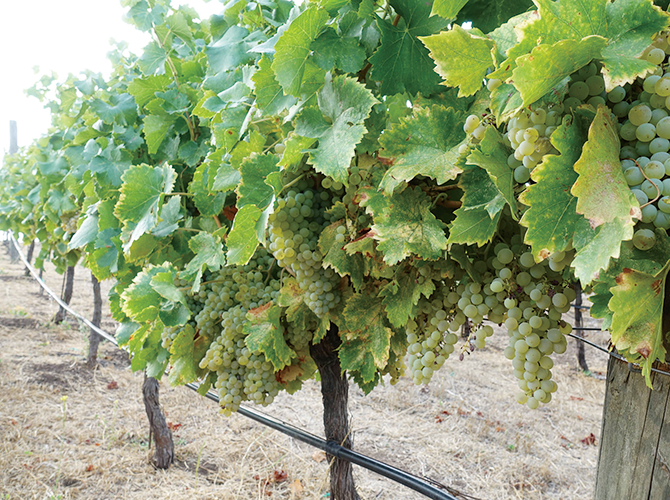
Many winemakers speak about leaving their signature on a wine. Shunsei Ishikubo prefers the opposite. His task, he says, is to avoid getting in the vineyard’s way. To understand the land. To respect the grower. To guide fermentation without overwhelming it. In an era when many wines compete for attention through intensity and immediate impact, Deaurātus pursues something quieter. Not simply flavor. But place.
For Ishikubo, that has always been the true purpose of winemaking. To allow the vineyard—not the winemaker—to have the final word.